
Seasonal Plumbing Maintenance: A Homeowner’s Checklist for Every Season
Why Regular Plumbing Maintenance Matters
Your home’s plumbing system isn’t just about faucets and drains — it’s a network of pipes, valves and fixtures that’s constantly under pressure, weather changes, and daily wear and tear. Without regular check-ups and maintenance, even small issues can escalate into costly repairs, water damage, or health hazards. In Canada — including the GTA — changing seasons bring different plumbing challenges, from summer drain problems to winter freeze risks. Staying proactive year-round helps you catch problems early, extend the lifespan of your plumbing system, and avoid emergency calls when it’s inconvenient or expensive.
What to Do Each Season: Your Plumbing Maintenance Calendar
Spring — Check & Reset After Winter
As snow melts and temperatures rise, spring is a great time to inspect your home for any winter-related damage. Look for water stains or leaks under sinks, behind toilets, or near fixtures — freezing during winter can cause pipe contractions and lead to leaks. Also test sump pumps or basement drains to ensure they’re clear and functioning before spring rains. :contentReference[oaicite:1]{index=1}
Outdoor faucets and hose-bibbs should be checked — ensure they weren’t damaged by freezing, and make sure any hoses are disconnected and drained. Flush out any sediment from your water heater if you use a tank system — winter can cause build-up that reduces efficiency and leads to corrosion. :contentReference[oaicite:2]{index=2}
Run water through all fixtures — sinks, tubs, showers, toilets — and check for leaks, low pressure, or slow drainage. Sometimes winter freeze/thaw cycles can hide small problems that resurface in spring.
Summer — Maintain Flow & Avoid Clogs
Warmer months often mean more water use — with kids home, gardening, outdoor wash-downs, and irrigation systems. That increases strain on drains and pipes. Use drain screens or strainers in sinks, tubs and showers to catch hair, soap residue, food scraps before they enter pipes. Avoid pouring grease, oil, coffee grounds, fibrous or starchy food waste down drains — these cause stubborn clogs in kitchen lines. :contentReference[oaicite:3]{index=3}
Flush unused or infrequently used drains periodically with hot water (not boiling — too hot water can damage older pipes) to help keep debris and grease from building up. If you have a garbage disposal, run plenty of water when using it and avoid over-loading it with fibrous food scraps. Summer is also a good time to inspect washing machine hoses, outdoor faucet lines, and any irrigation or sprinkler system plumbing for leaks or wear — high water demand can reveal hidden weak points. :contentReference[oaicite:4]{index=4}
Monitor your water bill. An unexpected spike could signal a hidden leak somewhere — better to catch and repair early than let it worsen. :contentReference[oaicite:5]{index=5}
Fall — Prep Before the Cold Hits
Fall is the ideal time to winterize your plumbing — before freezing weather arrives. Start by insulating any exposed water pipes, especially in unheated areas: basements, crawlspaces, attics, garages, or along exterior walls. Foam pipe insulation, pipe-wraps, or insulated sleeves are relatively inexpensive and can prevent freezing issues. :contentReference[oaicite:6]{index=6}
Disconnect and drain outdoor hoses and shut off hose-bibbs (outdoor faucets). Any water left inside outdoor lines can freeze and cause bursts or leaks. Install insulated faucet covers if available. :contentReference[oaicite:7]{index=7}
Check your water heater — flushing the tank to remove sediment, inspecting for rust or leaks, and testing pressure relief valves can help ensure it’s ready for winter’s increased demand. If you rely on a sump pump for basement drainage or flood prevention, test it now — pour a bucket of water into the pit and ensure it activates properly. If you’ve skipped this all summer, fall is a great time to schedule maintenance. :contentReference[oaicite:8]{index=8}
Seal gaps or cracks around pipes running through exterior walls or near vents/windows. Cold drafts can accelerate freezing in nearby pipes. Finally — locate and test your main shut-off valve and ensure it works smoothly in case of winter emergencies. Label it clearly for all household members.
Winter — Monitor & Protect Against Freezing
Freezing temperatures pose the most serious threat to home plumbing. Pipes — especially those exposed or in unheated areas — can freeze and burst, leading to serious water damage. :contentReference[oaicite:9]{index=9} To reduce risk: maintain consistent indoor temperatures; avoid turning off heating at night or when you're away. If you have plumbing near exterior walls or in cold spots, open cabinets under sinks to let warm air circulate around pipes.
During extreme cold snaps, consider letting one or two faucets drip slowly (cold water line) — moving water is less likely to freeze than stagnant water. This is a well-known tip to help prevent frozen pipes. :contentReference[oaicite:10]{index=10} Outdoor spigots must remain off and drained; never leave garden hoses connected. If you get frost, ice, or suspect a frozen pipe — shut off the main supply immediately until you can safely assess or call a plumber. :contentReference[oaicite:11]{index=11}
Year-Round Maintenance Tasks (Good to Do Quarterly or Twice a Year)
- Check for leaks: Inspect under sinks, around toilets, water heater, and exposed plumbing for moisture, stains, or drips. Even a small leak can waste water and lead to mold or structural damage over time. :contentReference[oaicite:12]{index=12}
- Test water pressure: Use a simple pressure gauge on an outdoor faucet — ideal home pressure is around 40–60 psi. High pressure can strain fixtures, while low pressure may signal a blockage or leak. :contentReference[oaicite:13]{index=13}
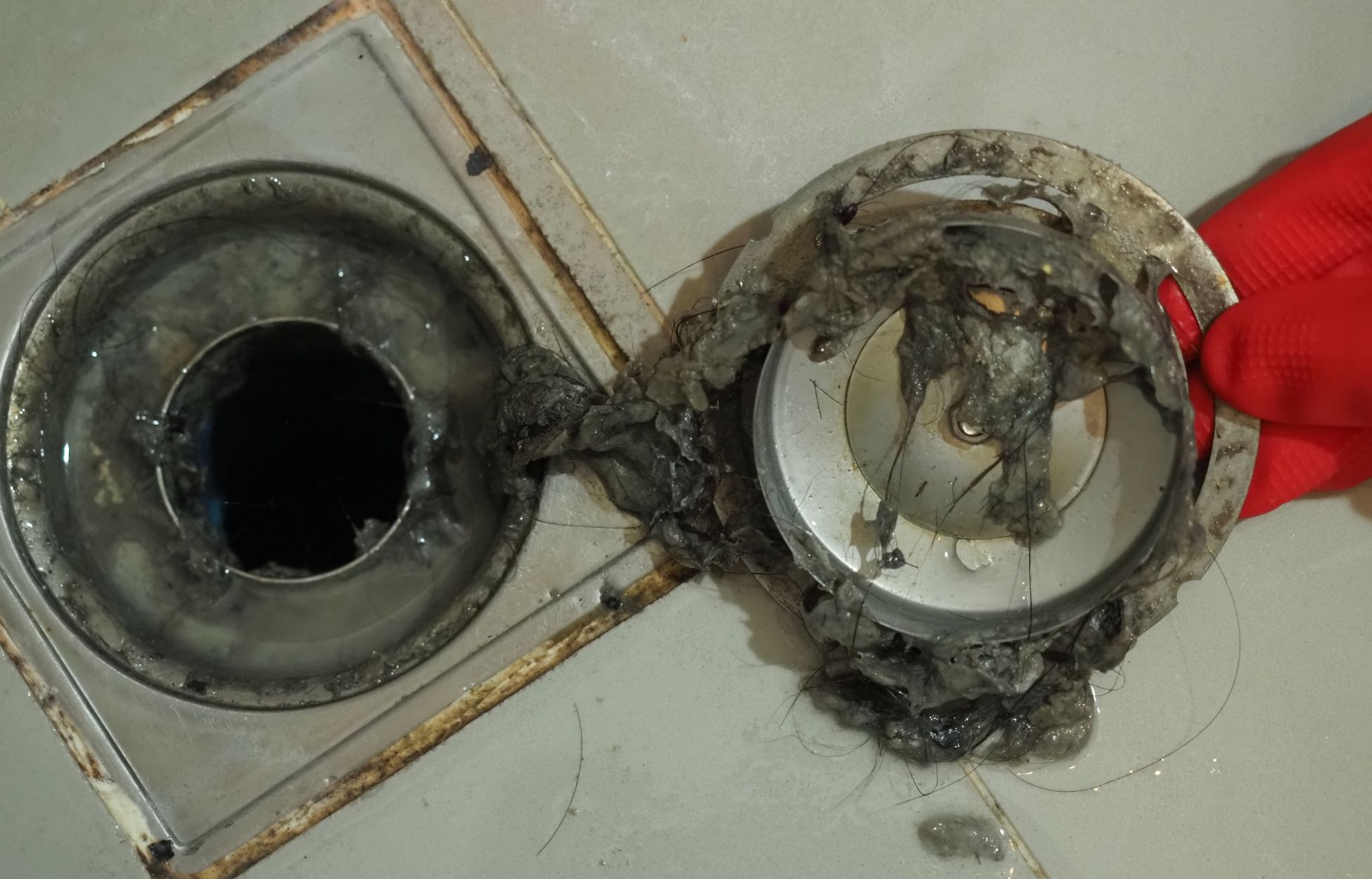
- Clean drains & traps: Remove hair, debris, and sediment from sink drains, shower drains, and P-traps periodically to prevent buildup and eventual clogs. Avoid frequent use of harsh chemical drain cleaners — they can damage older or fragile pipes over time. :contentReference[oaicite:14]{index=14}
- Inspect water heater (if applicable): Flush sediment, check for rust, leaks, and ensure pressure-relief valve works. This maintains efficiency and prevents early failure. :contentReference[oaicite:15]{index=15}
- Check hoses and connections: Washing machine hoses, dishwasher lines, outdoor faucet hoses — look for cracks, bulges, corrosion or wear; replace hoses every 5–7 years or as needed. :contentReference[oaicite:16]{index=16}
- Review sump pump / drainage systems (if applicable): Periodically test sump pump, clean pit, check battery backup (if you have one), to avoid basement flooding during heavy rain, snowmelt or power outages. :contentReference[oaicite:17]{index=17}
When You Should Call a Professional
Even with careful seasonal maintenance, some problems are easy to overlook — hidden leaks inside walls or under floors, corrosion, sewer-line blockages, or age-related wear. A professional plumber can perform a full plumbing inspection: check pipe integrity, water pressure, drain flow, assess risk areas (attics, crawlspaces), and inspect critical systems like sewer lines, sump pumps, water heaters, and pressure regulators. :contentReference[oaicite:18]{index=18}
It’s especially smart to schedule a comprehensive inspection every few years or before major seasonal transitions (before winter or after summer), particularly if your home is older or you notice recurring issues (slow drains, leaks, pressure fluctuations). Proactive inspections often prevent costly emergencies like leaks, burst pipes, or major repairs. :contentReference[oaicite:19]{index=19}
Simple Maintenance Habits That Save Time & Money
- Use drain strainers/screens in all sinks, tubs, and showers to catch debris before it enters pipes. :contentReference[oaicite:20]{index=20}
- Avoid pouring grease, oil, coffee grounds, eggshells, fibrous or starchy food waste down kitchen drains — these solidify or stick to pipes over time and cause stubborn blockages. :contentReference[oaicite:21]{index=21}
- Flush water heater tanks (if applicable) periodically to remove sediment build-up — this improves efficiency and extends lifespan of the heater. :contentReference[oaicite:22]{index=22}
- Monitor water usage and water bills — unexpected increases may point to hidden leaks or inefficiencies. Early detection saves money. :contentReference[oaicite:23]{index=23}
- Keep an eye on outdoor plumbing: hoses, spigots, irrigation systems — leak-check after heavy use or at the start and end of seasons (spring and fall). :contentReference[oaicite:24]{index=24}
Conclusion: Consistent Care Makes All the Difference
Your plumbing system is the unseen backbone of your home comfort — and like any system, it does best when treated with regular care. Seasonal maintenance, simple DIY habits, and periodic professional inspections can save you from nasty surprises, water damage, and expensive emergency repairs. Whether you live in a condo in Toronto, a suburban home in Markham, or a house in Richmond Hill or Vaughan, a little care each season goes a long way. :contentReference[oaicite:25]{index=25}
Want to make sure your plumbing is winter-ready or simply want a full maintenance inspection? Call us at (647) 560-8867 — we’re here to help you stay leak-free all year long.